






If you’re in your late 30s or 40s and noticing shifts in your cycle, you might be asking: Can you get pregnant during perimenopause? The answer is yes—you absolutely can. While fertility naturally declines with age, ovulation can still occur during perimenopause, making pregnancy a real possibility.
What Is Perimenopause?
Perimenopause is the transitional phase leading up to menopause, typically beginning in the late 30s to early 40s. During this stage, estrogen and progesterone levels fluctuate, which can lead to irregular periods, heavier or lighter menstrual flow, mood changes, disrupted sleep, and more. Despite these hormonal changes, ovulation doesn’t stop immediately—meaning conception is still possible.
How Likely Is Pregnancy During Perimenopause?
Fertility does decline with age, but perimenopausal pregnancies are not uncommon. According to the American College of Obstetricians and Gynecologists (ACOG), women in their 40s still have a chance of conceiving, although it’s lower than in their 20s or 30s. Because ovulation becomes less predictable—some months it may occur, others it may not—natural cycle tracking isn’t always reliable for either avoiding or achieving pregnancy.
Pregnancy or Perimenopause? Recognizing the Difference
One reason perimenopausal pregnancies can catch women off guard is that early pregnancy symptoms—missed periods, fatigue, nausea, and mood swings—closely resemble signs of perimenopause. If you’re sexually active and experiencing irregular cycles, it’s wise to take a pregnancy test or speak with your healthcare provider for clarity.
Trying to Conceive in Perimenopause
If you’re actively trying to get pregnant during perimenopause, supporting your reproductive health through lifestyle changes, proper nutrition, and targeted supplements can make a difference. While some women turn to fertility treatments, others look to natural approaches to improve egg quality, hormonal balance, and cycle regularity.
How to Support Your Fertility Naturally During Perimenopause
Supporting your fertility naturally during perimenopause involves a holistic approach that nurtures hormone balance, egg quality, and overall reproductive health. As estrogen and progesterone levels begin to fluctuate, it’s important to focus on lifestyle habits that stabilize your cycle and promote ovulation. Prioritize nutrient-dense foods rich in antioxidants, healthy fats, and protein to support hormonal function and egg quality. Managing stress through practices like meditation, yoga, or gentle exercise can also positively impact fertility hormones.
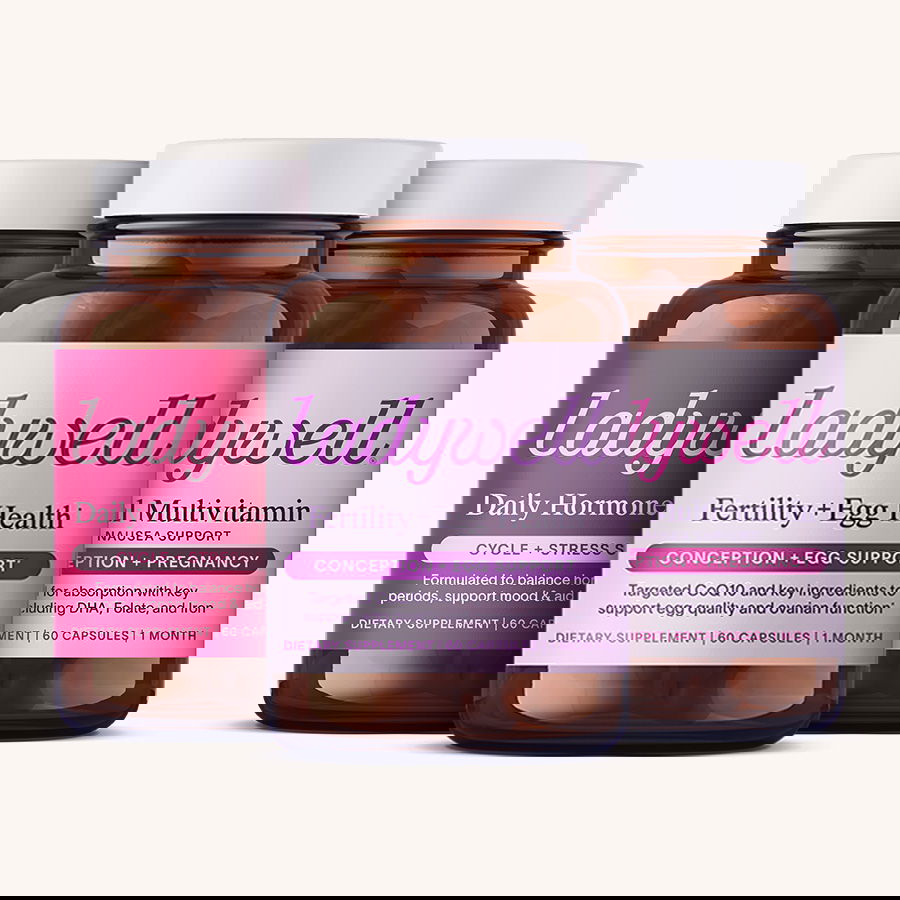
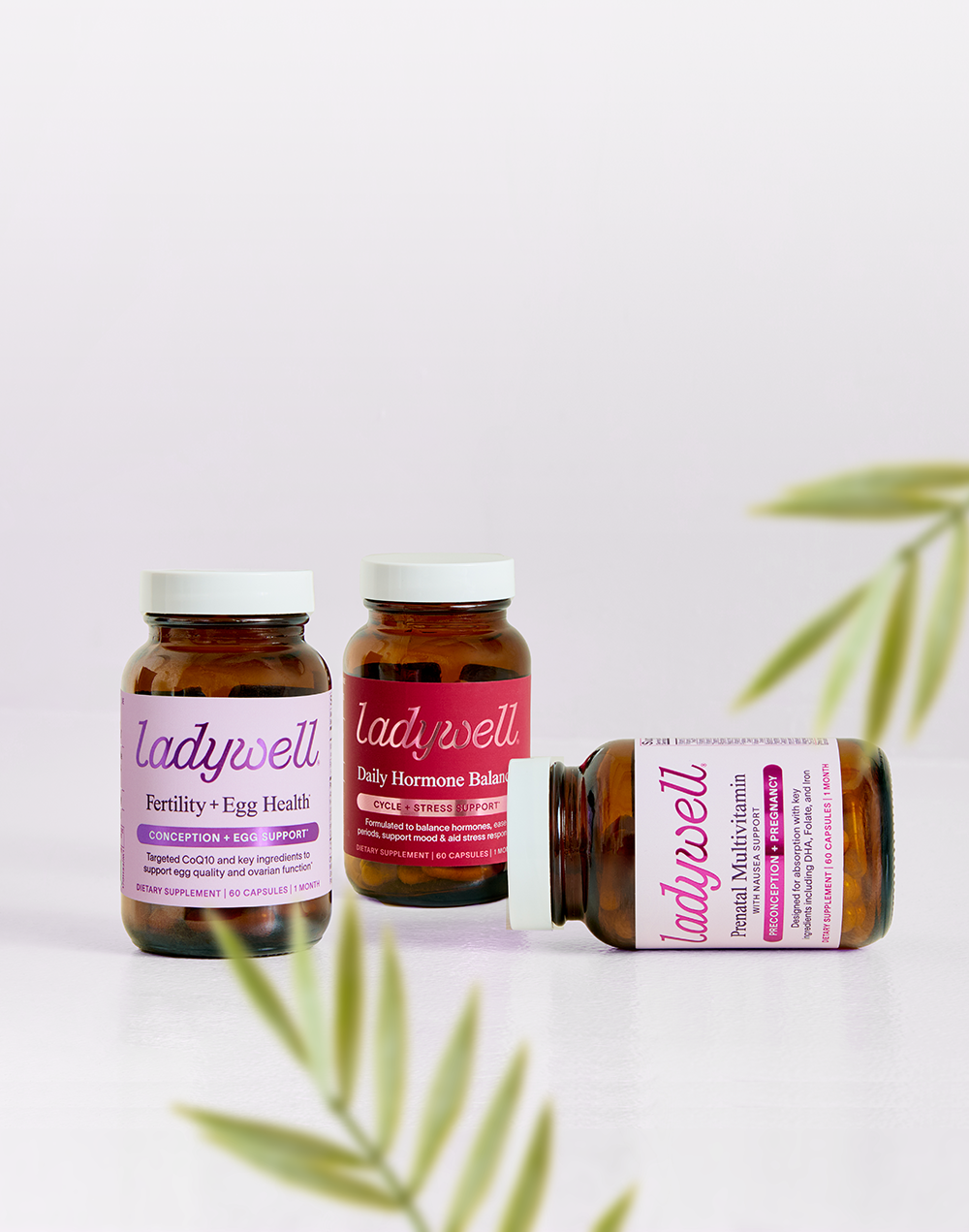
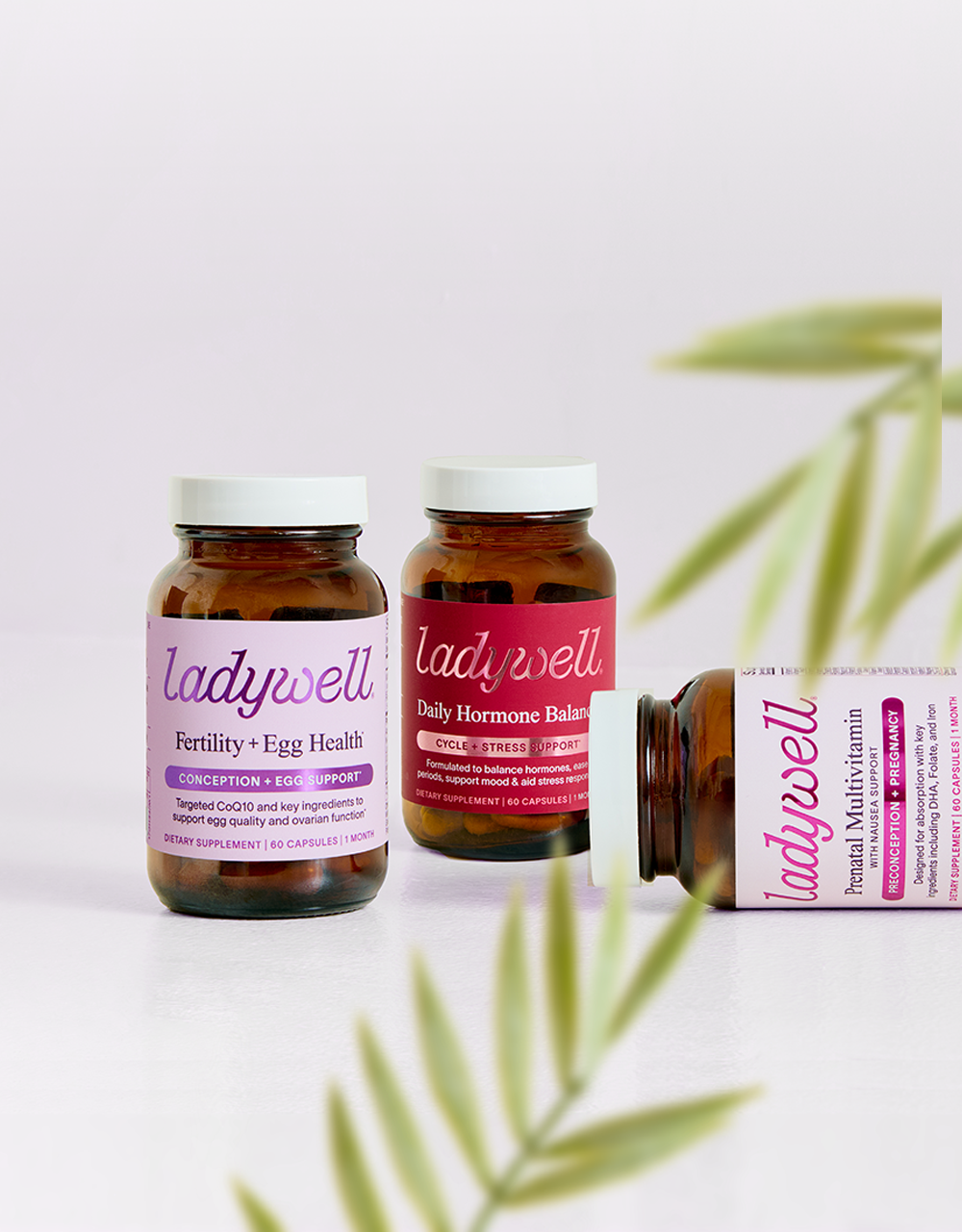
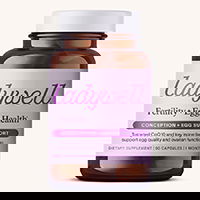
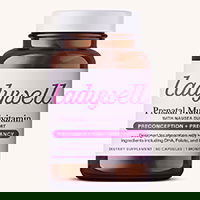
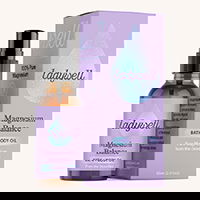
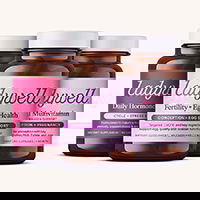
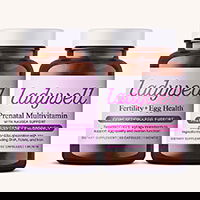
Supplements such as CoQ10, omega-3s, magnesium, and vitamin D may further enhance your body’s natural fertility potential. For targeted support, Ladywell’s Complete Fertility Plan combines hormone-regulating nutrients, egg quality antioxidants, and a comprehensive prenatal multivitamin to help optimize your chances of conception—even during the transitional perimenopausal years.
Include these supplements daily to help support your fertility and egg health during all stages of perimenopause:
1. Daily Hormone Support
During perimenopause, hormonal fluctuations can lead to irregular cycles, mood swings, and fatigue—making consistent hormonal support essential.
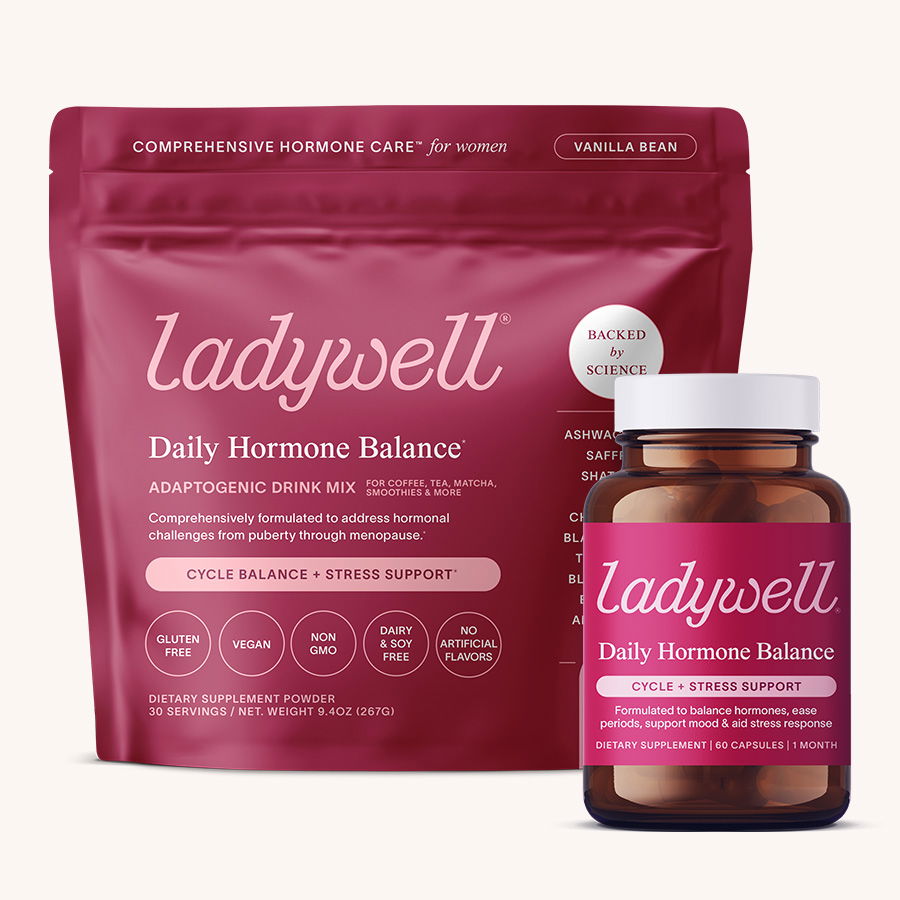
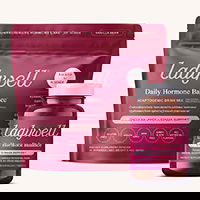
Ladywell's Daily Hormone Balance is a comprehensive formula packed with essential nutrients like powerful botanicals, adaptogens, crucial vitamins, and amino acids to help regulate cycles, reduce PMS/Perimenopause symptoms, and support healthy hormone production.
2. Fertility and Egg Quality Support
As egg quality naturally declines with age, supporting cellular health becomes even more important during the perimenopausal years.
Ladywell's Fertility + Egg Health is formulated with targeted antioxidants like CoQ10, NAC, and Alpha-Lipoic Acid. This supplement is designed to support mitochondrial function and egg health—key factors in improving fertility outcomes, especially for women over 35.
2. Prenatal Multivitamin
Even during perimenopause, if you’re trying to conceive or could become pregnant, a high-quality prenatal helps prepare your body and support early pregnancy.
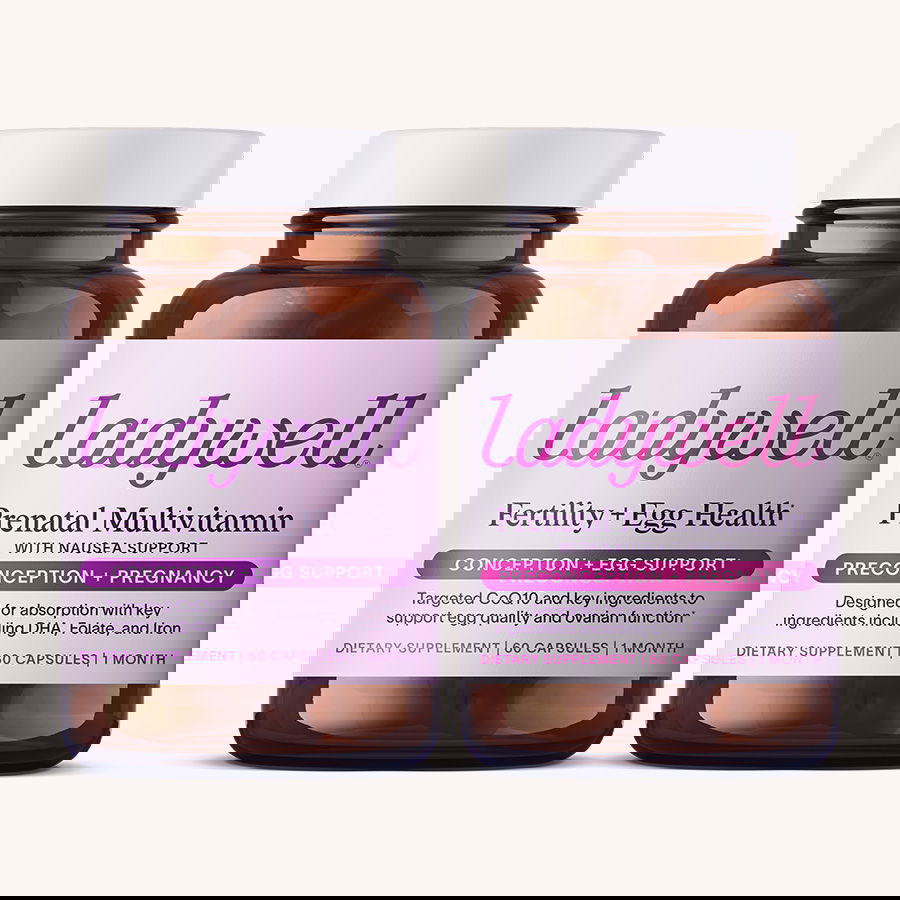
Ladywell's Prenatal Multivitamin is formulated to meet the unique nutritional demands of preconception and early pregnancy, this comprehensive prenatal includes active B vitamins, iron, choline, and methylated folate to support energy, fetal development, and neural tube health.
3. Probiotics
Gut health is deeply connected to hormone balance and overall fertility. Include a quality daily probiotics to help reduce inflammation, improve nutrient absorption, and support vaginal and digestive health.
The Bottom Line
Yes, pregnancy is still possible during perimenopause. Understanding your cycle, supporting your hormonal health, and seeking personalized care can all play a role in improving your chances of conception. Whether you’re planning ahead or actively trying, Ladywell’s Complete Fertility Plan offers the foundational support your body needs during this pivotal stage.
Disclaimer
The information provided in this blog is for educational purposes only and is not intended as a substitute for professional medical advice. Always consult a qualified healthcare provider before making any changes to your health regimen, especially if you are pregnant, nursing, or taking any medications.