











Tubal ligation, commonly referred to as “having your tubes tied,” is a form of permanent birth control. It involves blocking, cutting, or sealing the fallopian tubes to prevent eggs from reaching sperm. But what happens if your life circumstances change and you want to get pregnant after this procedure? Is it possible to conceive with tied tubes?
The short answer: yes, but it’s complex—and your options depend on several factors, including your age, fertility health, and how the tubal ligation was performed.
Can You Get Pregnant Naturally After Tubal Ligation?
While rare, some women do conceive naturally after tubal ligation—often due to a failed procedure or spontaneous tubal recanalization (when the tubes grow back together). However, this occurs in fewer than 1% of cases and carries an increased risk of ectopic pregnancy, where the fertilized egg implants outside the uterus, typically in the fallopian tube.
Because of these risks, most doctors recommend medical intervention if you’re hoping to get pregnant after tubal ligation.
Options for Getting Pregnant After Having Your Tubes Tied
If you want to grow your family after a tubal ligation, you have two main medical options:
Tubal Reversal Surgery
Tubal reversal is a microsurgical procedure that reconnects the fallopian tubes. It can restore natural fertility if the remaining tubes are healthy and long enough. Success rates vary by age:
-
Women under 35: ~60-70% pregnancy rate
-
Women over 40: significantly lower success
Not everyone is a candidate, especially if your tubes were cauterized or removed.
In Vitro Fertilization (IVF)
IVF bypasses the fallopian tubes entirely by fertilizing eggs in a lab and transferring the embryo directly to the uterus. This is often the recommended path for women who are older, have additional fertility challenges, or are not eligible for tubal reversal.
Improve Your Chances with Natural Hormone Balance and Fertility Supplements
Even with medical procedures, hormonal balance and egg quality are key to improving your chances of conception. Supporting your body with targeted nutrients, hormone-regulating herbs, and lifestyle shifts can make a significant difference.
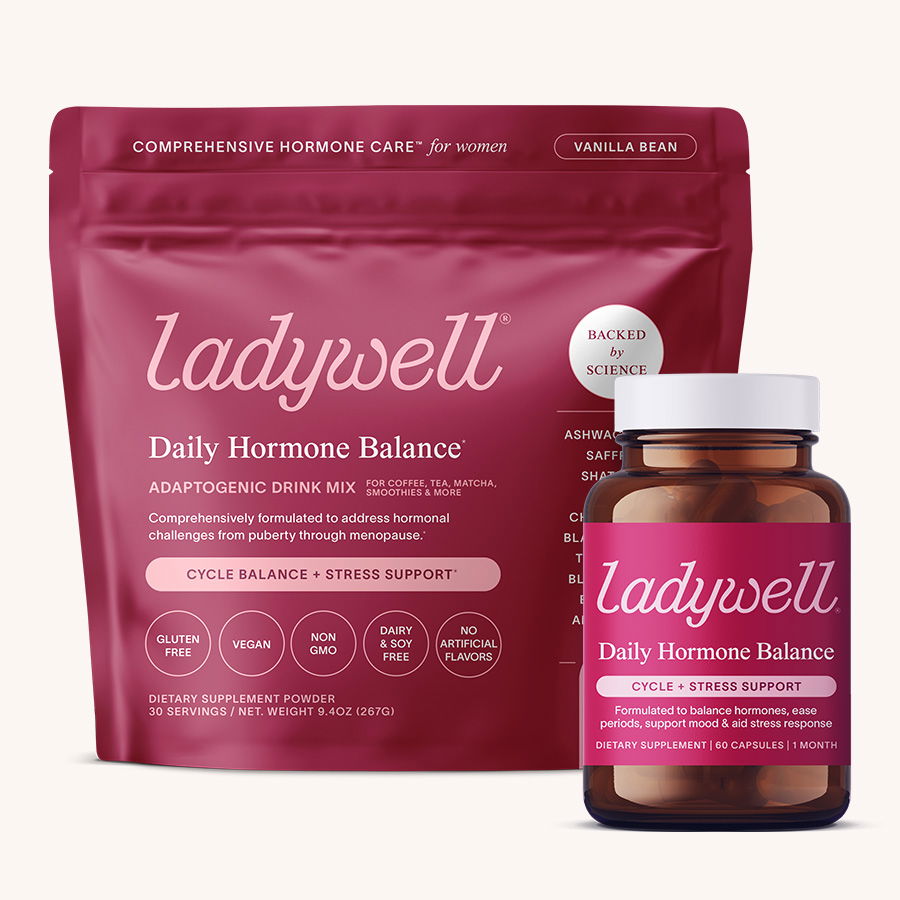
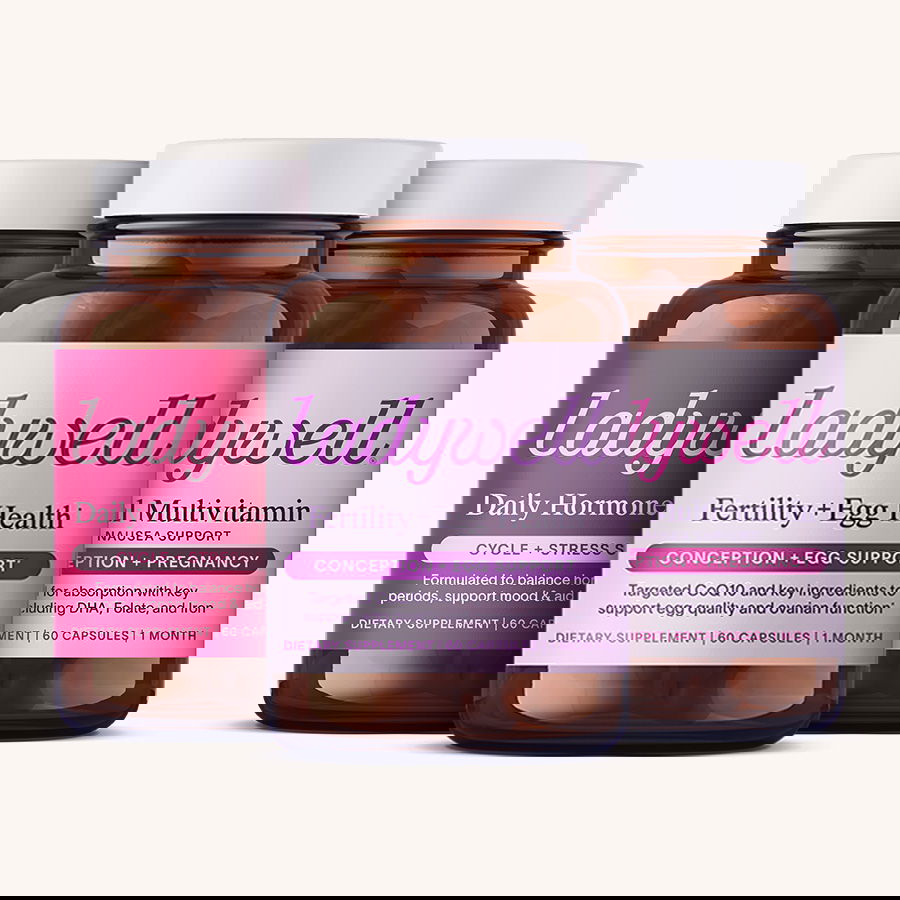
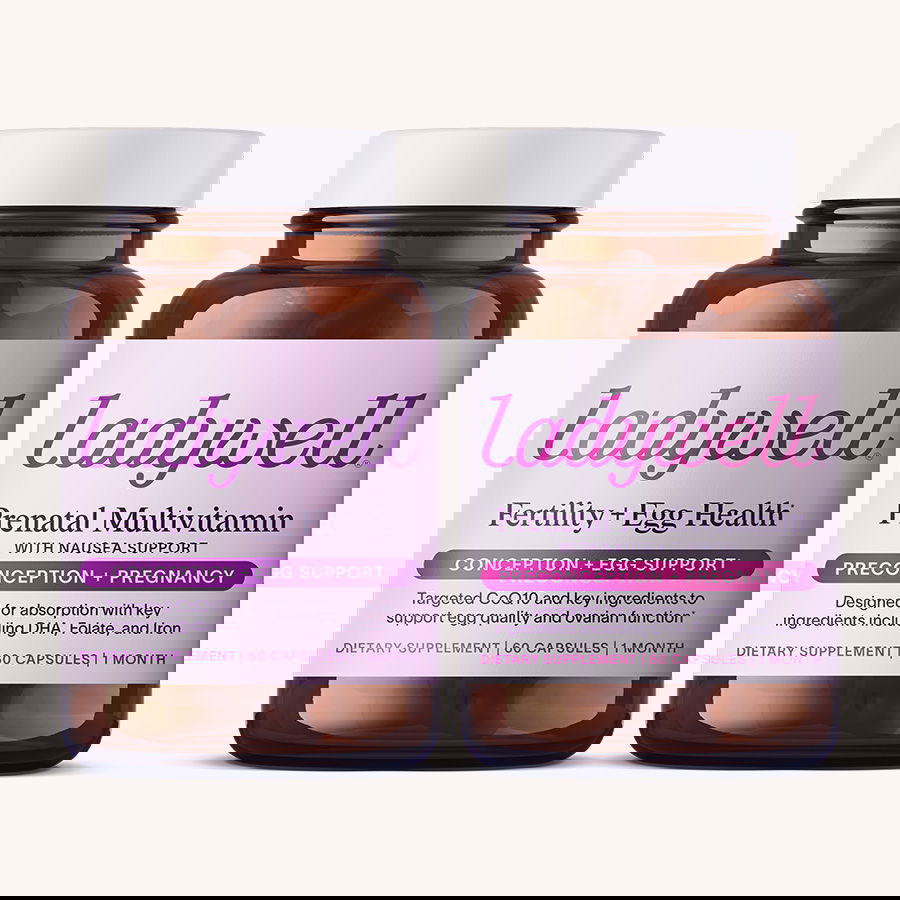
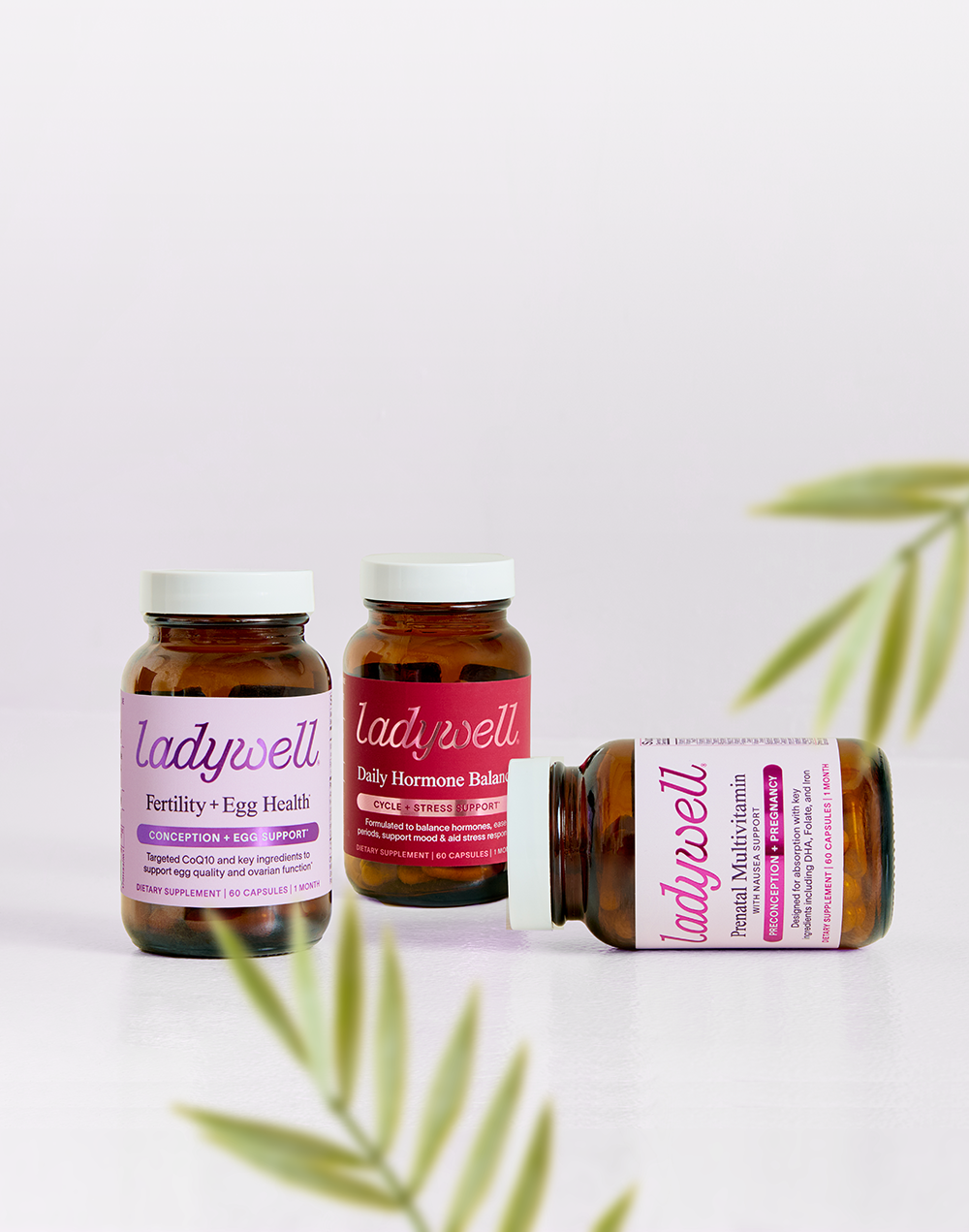
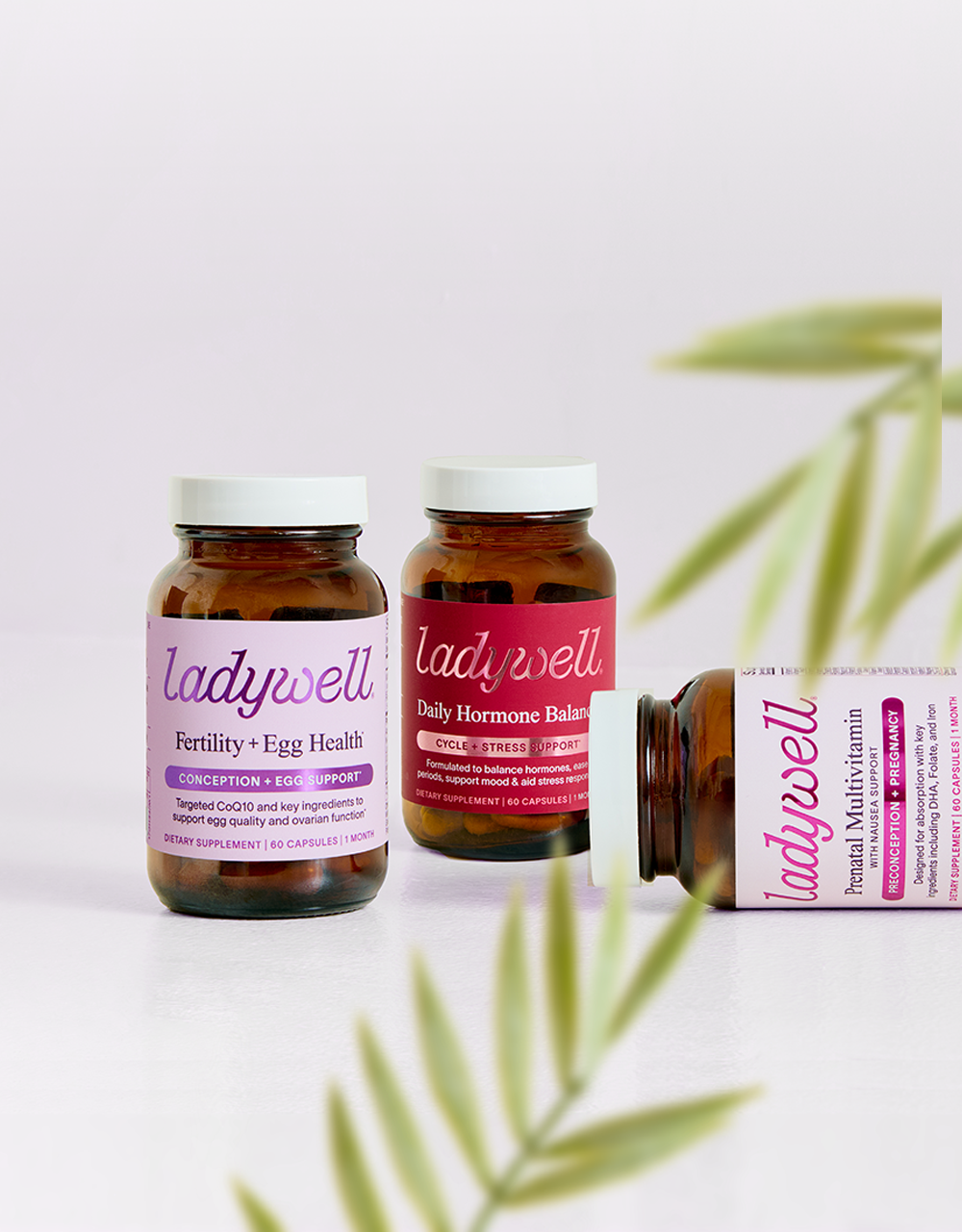
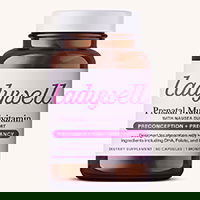
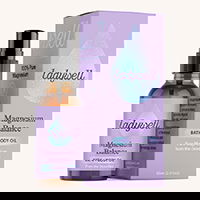
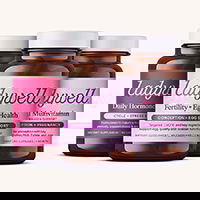
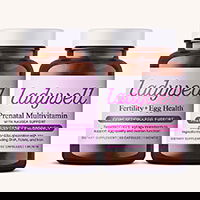
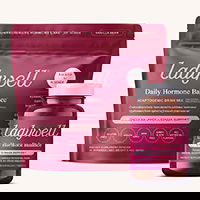
This is where Ladywell’s Fertility and Hormone Balance Supplements come in. Formulated by doctors and backed by research, Ladywell blends potent nutrients and adaptogens like chasteberry, B6, and magnesium to support hormonal health, regulate cycles, and promote reproductive wellness. Whether you’re preparing for IVF or recovering from tubal reversal surgery, these supplements offer a holistic foundation to help your body get pregnancy-ready.
Other Ways to Support Your Fertility
-
Get bloodwork done: Check hormone levels (AMH, FSH, estrogen, progesterone) to understand your baseline.
-
Manage stress: Chronic stress can disrupt ovulation and hormone balance.
-
Focus on nutrition: Prioritize whole foods rich in folate, omega-3s, iron, and antioxidants.
-
Sleep & movement: Consistent sleep and moderate exercise support hormone regulation.
Final Thoughts: Is Pregnancy After Tubal Ligation Possible?
While getting pregnant with tied tubes isn’t easy, it’s not impossible. Whether you choose surgery, IVF, or explore all options with a fertility specialist, remember that supporting your hormonal health is essential.
Ladywell’s Fertility + Egg Health and Daily Hormone Balance supplements can be a powerful part of your journey—helping to optimize your body for conception, even in the face of challenges.
Looking for hormone support? Explore Ladywell’s doctor-formulated supplements designed to help women thrive at every life stage—including the path to pregnancy.
Disclaimer
The information provided in this blog is for educational purposes only and is not intended as a substitute for professional medical advice. Always consult a qualified healthcare provider before making any changes to your health regimen, especially if you are pregnant, nursing, or taking any medications.