








Fibroids are non-cancerous growths that develop in or around the uterus. They are extremely common and, while they can impact fertility, many women with fibroids go on to conceive and have healthy pregnancies—especially with the right care and support.
If you’re navigating fibroids on your fertility journey, you’re not alone. Let’s dive into what fibroids are, how they affect fertility, and how to best support your body naturally.
What Are Uterine Fibroids?
Uterine fibroids are made of muscle and fibrous tissue and can range in size from tiny (seed-like) to large (melon-sized). It’s estimated that 35% to 77% of women of reproductive age may develop fibroids during their lifetime.
Some women have no symptoms at all, while others experience discomfort, heavier periods, or fertility challenges. Many women never even realize they have fibroids unless they are discovered during imaging or fertility testing.
Types of Uterine Fibroids
Fibroids are classified by where they grow:
-
Intramural fibroids: Found within the wall of the uterus; the most common type.
-
Subserosal fibroids: Grow on the outer surface of the uterus.
-
Pedunculated fibroids: Attached to the uterus by a stalk.
-
Cervical fibroids: Located on the cervix (rare).
-
Submucosal fibroids: Grow just beneath the uterine lining and are the most likely to interfere with fertility.
Common Symptoms of Fibroids
Not everyone with fibroids experiences symptoms. However, when symptoms do occur, they can include:
-
Heavy or prolonged menstrual bleeding
-
Pelvic pain or lower back discomfort
-
Frequent urination
-
Feeling of fullness or pressure in the abdomen
-
Pain during intercourse
-
Abdominal swelling
-
Fertility challenges, including implantation issues
What Causes Fibroids?
While the exact cause isn’t fully known, several factors are thought to play a role:
-
Hormones: Estrogen and progesterone can stimulate fibroid growth.
-
Genetics: A family history of fibroids increases your risk.
-
Age: Most commonly found between ages 30-50.
-
Race: Higher prevalence among African American and Hispanic women.
-
Weight: Being overweight can also increase your risk.
How Are Fibroids Diagnosed?
Your healthcare provider may recommend:
-
Pelvic exam: To feel for abnormalities.
-
Ultrasound: To visualize fibroids and determine size/location.
-
MRI: For a detailed look at complex fibroids.
-
Hysteroscopy: To view fibroids inside the uterus directly.
Accurate diagnosis is key—especially when planning for pregnancy.
Fibroids and Fertility: What to Expect
Most women with fibroids can still become pregnant naturally. However, certain types—especially submucosal fibroids—can interfere with implantation or increase miscarriage risk.
Fibroids can also contribute to:
-
Placental abruption
-
Fetal growth restriction
-
Preterm delivery
If you’re struggling to conceive or have experienced pregnancy loss, it’s important to work with your healthcare provider to determine whether fibroids are a factor.
Natural Approaches to Support Fibroid Health and Fertility
Many fibroids don’t require surgery. Here are natural steps that can help support fertility and manage fibroids:
Lifestyle and Nutritional Support
-
Whole food nutrition: Prioritize fruits, vegetables, fiber, and foods rich in vitamin A.
-
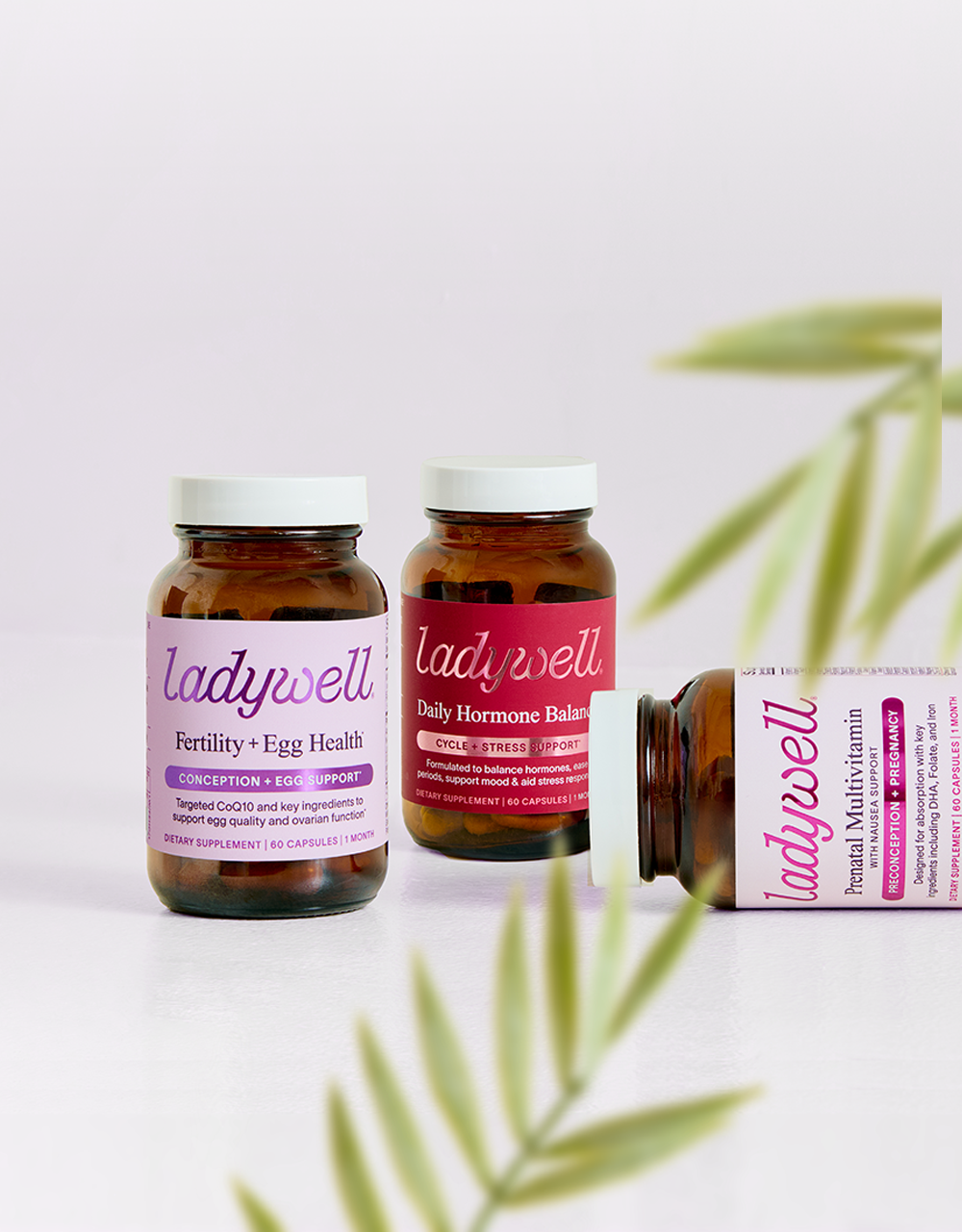
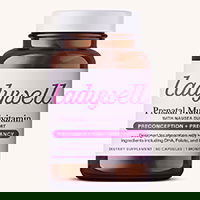
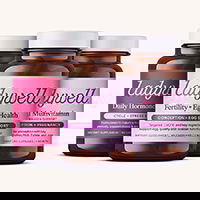
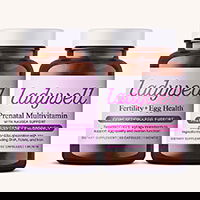
Vitamin D optimization: Studies link low vitamin D to larger fibroids. Supplementing vitamin D may help. Ladywell’s Prenatal Multivitamin is thoughtfully formulated to help fill critical nutrient gaps, including vitamin D, which is essential for hormone balance, immune health, and supporting uterine wellness—especially important for women managing fibroids or preparing for pregnancy.
-
Reduce sugar and refined carbs: Balancing blood sugar supports hormone health.
-
Movement: Regular exercise can help manage weight and inflammation.
-
Weight management: Maintaining a healthy weight can reduce fibroid progression.
-
Acupuncture: May help manage hormonal balance and reduce fibroid symptoms.
-
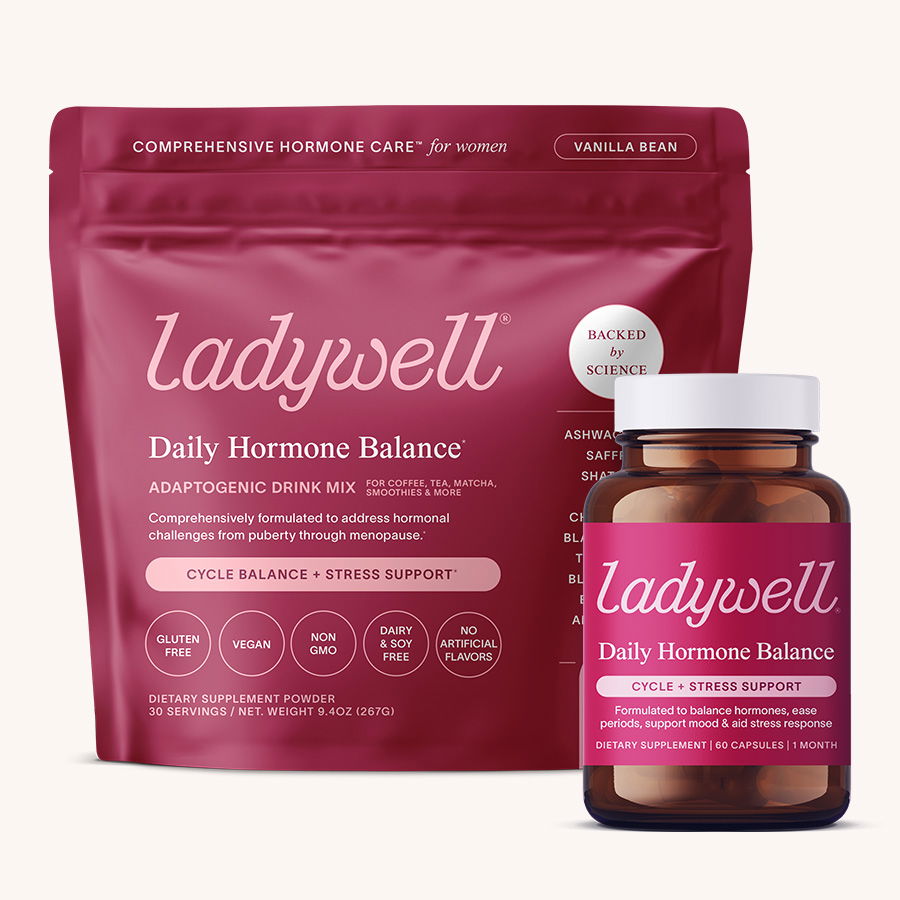
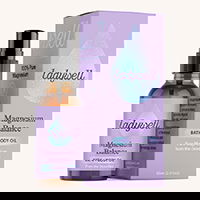
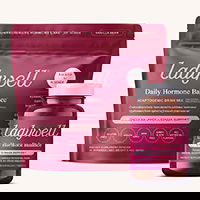
Herbal support: Balancing hormones is one of the most important steps when managing fibroids naturally. Ladywell’s Daily Hormone Balance was specifically formulated with research-backed herbs like chasteberry, ashwagandha, and shatavari to help regulate estrogen and progesterone levels, support cycle health, and ease symptoms like mood swings and cramping. Daily Hormone Balance is an ideal companion if you are working to naturally support fibroid health, fertility, and overall hormonal resilience before pregnancy
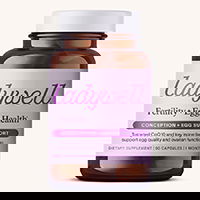
👉 Ladywell's Fertility + Egg Health is designed to nourish your body with antioxidants, CoQ10, and other key ingredients that support reproductive wellness and egg quality—key foundations for women managing fibroids and fertility.
When is Surgery Needed?
Surgery, typically a myomectomy, may be recommended if:
-
Submucosal fibroids are present
-
Intramural fibroids are larger than 4 cm
-
Fibroids are severely impacting quality of life or fertility
Fertility Treatments and Fibroids
Some women may still pursue fertility treatments without removing fibroids, depending on their type and severity:
-
IVF: Submucosal fibroids often require removal to improve IVF success rates.
-
IUI: Women with non-cavity-distorting fibroids typically have similar success rates as those without fibroids.
The Bottom Line
Fibroids are common—and they don’t define your fertility story. With the right care, holistic support, and expert guidance, many women with fibroids conceive and experience healthy pregnancies.
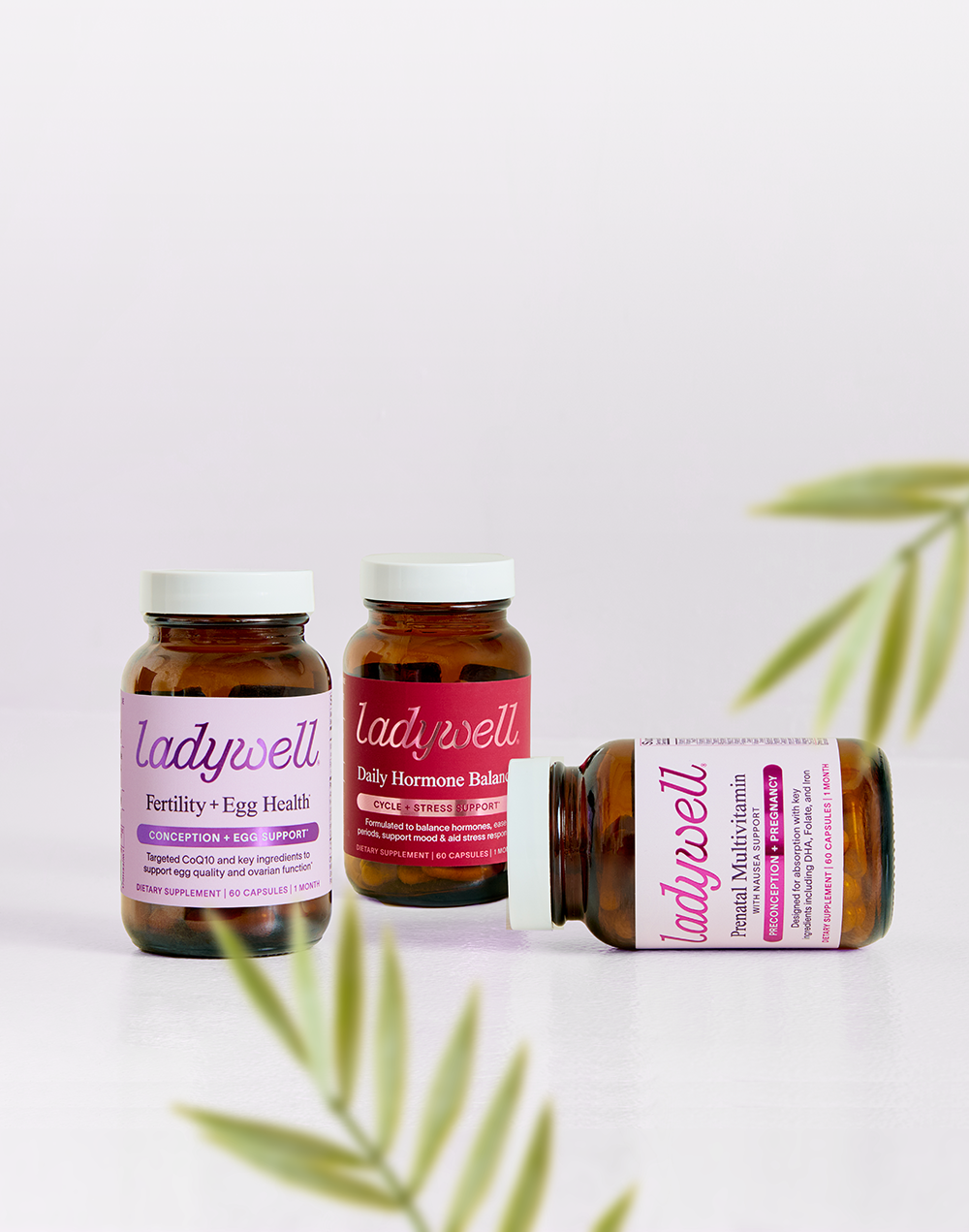
To fully support your fertility journey, Ladywell’s Complete Fertility Plan offers a comprehensive, science-backed approach designed to nourish every stage of preconception. This curated bundle includes our Fertility + Egg Health, Daily Hormone Balance, and Prenatal Multivitamin supplements—each working synergistically to optimize hormone levels, improve egg quality, and prepare your body for a healthy pregnancy. Whether you’re navigating challenges like fibroids or simply want to strengthen your foundation for conception, the Complete Fertility Plan delivers the targeted nutrients, adaptogens, and antioxidants your body needs to thrive naturally.
Disclaimer
The information provided in this blog is for educational purposes only and is not intended as a substitute for professional medical advice. Always consult a qualified healthcare provider before making any changes to your health regimen, especially if you are pregnant, nursing, or taking any medications. Always consult with a healthcare provider before starting new herbs, especially during fertility treatment.