






Thinking about trying for a baby comes with a lot of questions: When should I start trying? How do I track ovulation? And most importantly, when should I start taking prenatal vitamins?
In this guide, we’ll dive into why prenatal vitamins matter, when to start taking them, and how to choose the best prenatal supplement to support a healthy pregnancy.
Why Are Prenatal Vitamins Important?
Ideally, we would get all the nutrients we need from food. But pregnancy increases nutritional demands, and factors like morning sickness, food aversions, and depleted soil nutrients make it difficult to rely solely on diet.
A high-quality prenatal vitamin helps fill these nutritional gaps, ensuring both you and your baby receive essential nutrients for growth and development. Here’s why certain key nutrients are so important:
Folate
Folate (or its bioavailable form, methylfolate) is crucial for:
- ✔️ Preventing neural tube defects and supporting brain and spinal cord development
- ✔️ Aiding DNA synthesis and red blood cell production
- ✔️ Supporting maternal mood and heart health
While folate is found in foods like leafy greens, avocado, and beans, most people struggle to get enough through diet alone. That’s why prenatal supplementation is strongly recommended before and during pregnancy.
Choline
Choline is essential for:
- ✔️ Brain and nervous system development in the baby
- ✔️ Healthy cell membranes and fat metabolism
- ✔️ Supporting liver function and detoxification
Eggs and beef liver are rich sources of choline, but many women don’t consume enough. A high-quality prenatal should include this vital nutrient.
When Should You Start Taking Prenatal Vitamins?
The best time to start a prenatal vitamin is at least 3 months before conception. Here’s why:
- ✅ Prepares your body for pregnancy – It takes time for nutrient levels to build up and support optimal fertility.
- ✅ Supports early fetal development – Many crucial processes, like neural tube formation, happen before most women even know they’re pregnant.
- ✅ Improves egg quality – Nutrients like folate, omega-3s, and antioxidants support healthy egg development.
- Since conception can be unpredictable, starting a prenatal before trying to conceive helps ensure your body is ready whenever pregnancy happens.
Should You Take Prenatal Vitamins While Trying to Conceive?
Absolutely! Taking a prenatal while trying to conceive helps:
- Boost fertility – Certain nutrients, like folate and omega-3s, support reproductive health.
- Build nutrient stores – Pregnancy increases the need for iron, calcium, and other key nutrients.
- Develop a daily habit – Getting used to a prenatal routine makes it easier to stay consistent when you do conceive.
If you have specific health concerns—such as iron deficiency, celiac disease, or thyroid conditions—talk to your doctor about customized prenatal supplementation.
What If You Start Prenatal Vitamins Later Than Recommended?
If you just found out you’re pregnant and haven’t been taking a prenatal—don’t stress! The best time to start is now.
Why timing matters:
- Neural tube development occurs in the first 4-6 weeks, making folate intake crucial early on.
- Nutrients like choline, iron, and DHA support brain and nervous system growth throughout pregnancy.
If you’re experiencing nausea and struggling to take a prenatal, try:
- ✔️ Taking it with food or right before bed
- ✔️ Splitting the dose (half in the morning, half at night)
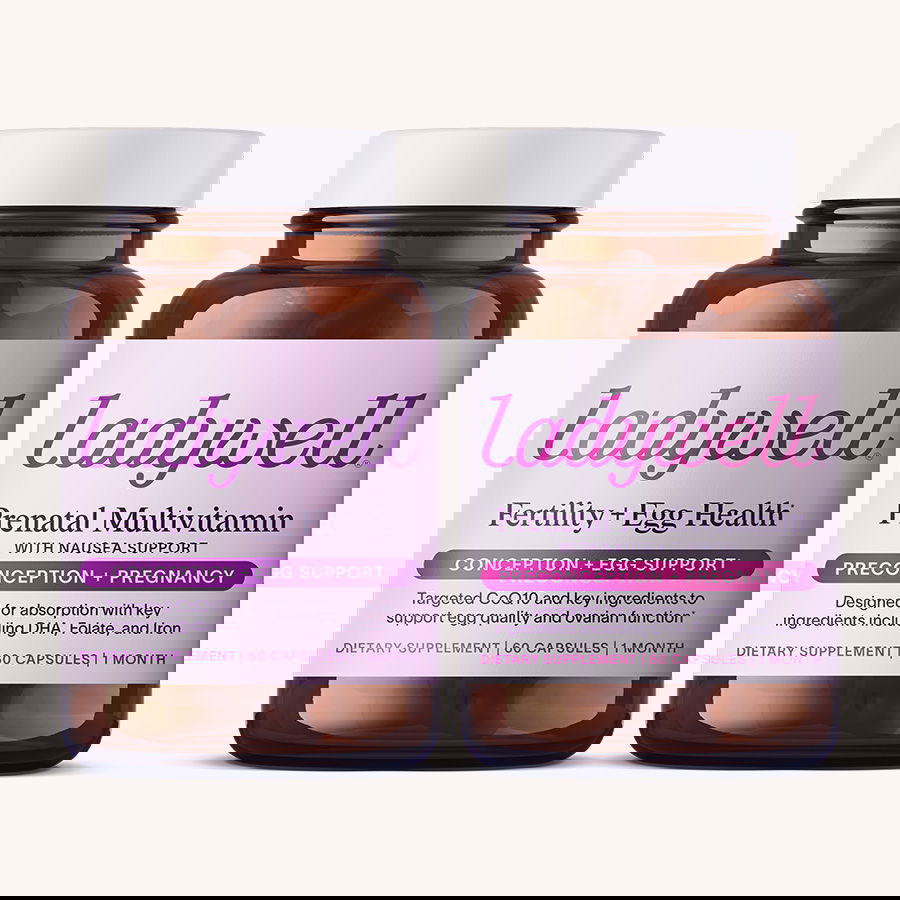
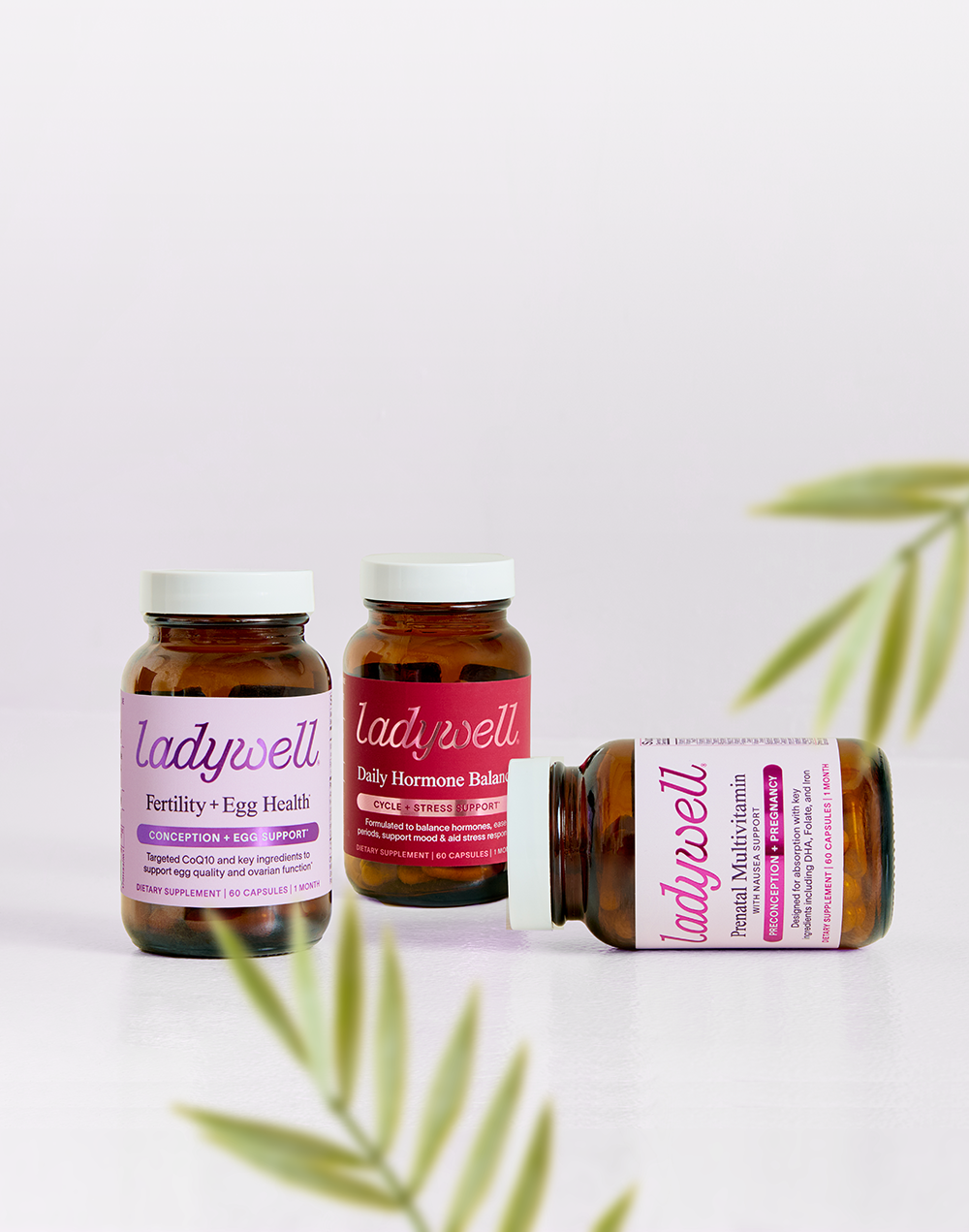
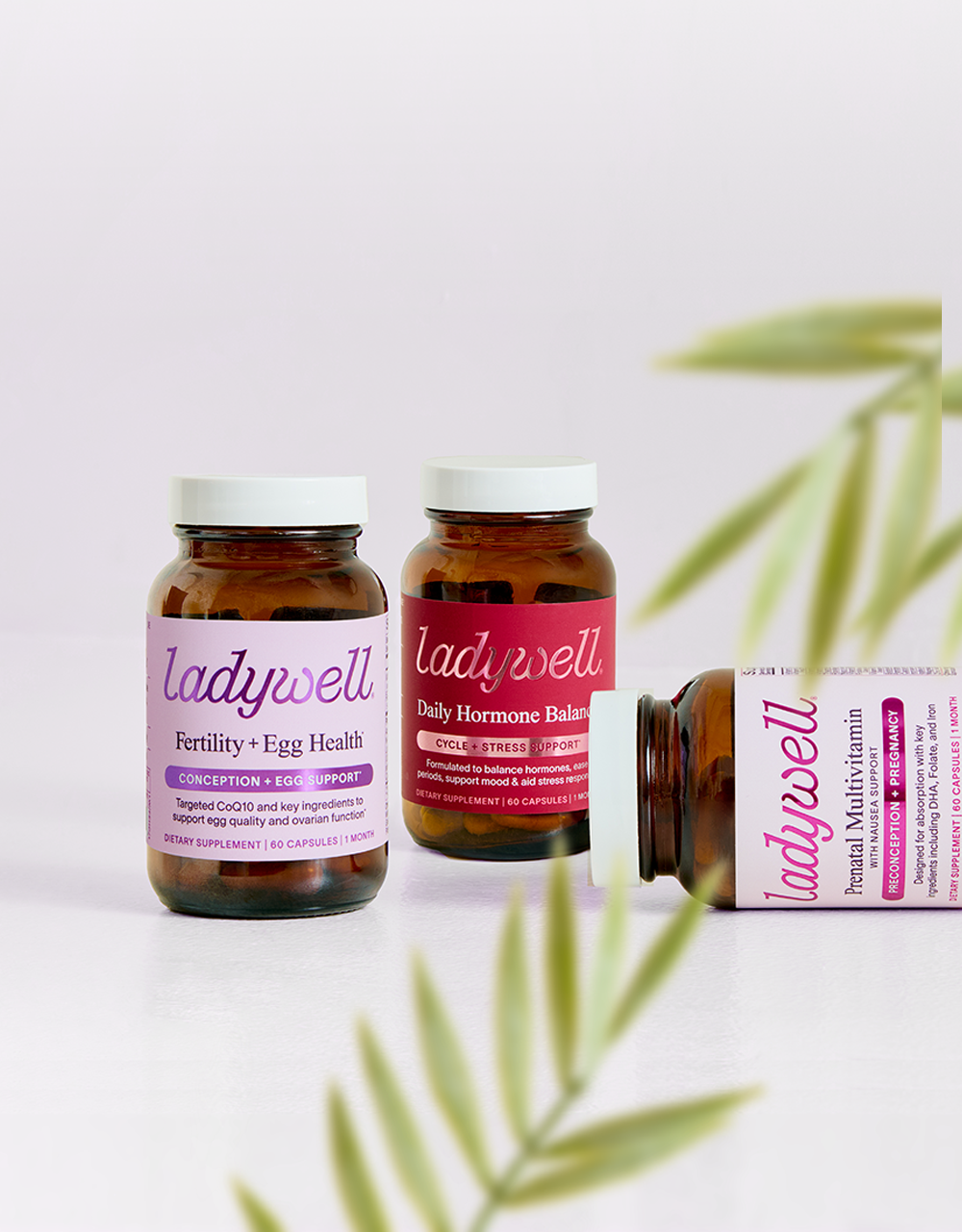
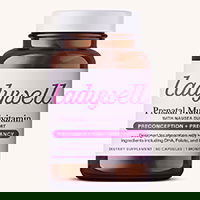
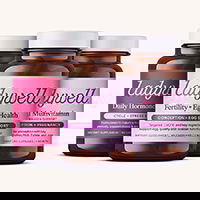
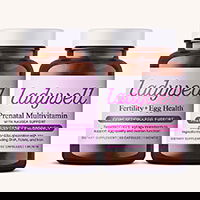
- ✔️ Opt for a prenatal with nausea-fighting ginger like Ladywell's Prenatal Multivitamin
How to Choose the Best Prenatal Vitamin
Not all prenatal vitamins are the same! Here’s what to look for in a high-quality prenatal:
1. The Right Nutrient Forms & Dosages
- Folate (not folic acid!) – Look for methylfolate, the bioavailable form.
- Choline – Many prenatals lack choline, but it’s essential for brain development.
- Iron – Needed for increased blood volume, but some women may require extra based on lab tests.
-
DHA (Omega-3s) – Supports brain and eye development.
2. No Unnecessary Fillers
Avoid artificial dyes, added sugars, and synthetic additives that don’t benefit you or your baby.
3. Third-Party Testing & Quality Assurance
Choose a reputable brand that conducts testing for purity and potency such as Ladywell's Prenatal Multivitamin.
4. Consider Your Dietary Needs
If you follow a vegan, gluten-free, or allergen-free diet, make sure your prenatal aligns with your lifestyle.
Bottom Line: When to Start Taking Prenatal Vitamins
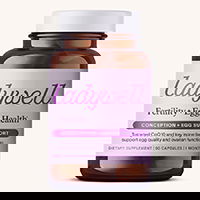
Starting a prenatal vitamin at least three months before conception is ideal, but if you’re already pregnant and haven’t started yet, begin as soon as possible. Choosing a high-quality prenatal like Ladywell's Prenatal Multivitamin with bioavailable nutrients and no unnecessary additives is key to a healthy pregnancy.
💡 Remember:
- ✔️ Prenatals help fill nutritional gaps for both mom and baby.
- ✔️ Key nutrients like folate, choline, and iron are essential for early development.
- ✔️ Quality matters – choose a prenatal with bioavailable nutrients and no unnecessary additives like Ladywell's Prenatal Multivitamin
If you’re thinking about pregnancy, now is the time to start! 💛
Disclaimer
The information provided in this blog is for educational purposes only and is not intended as a substitute for professional medical advice. Always consult a qualified healthcare provider before making any changes to your health regimen, especially if you are pregnant, nursing, or taking any medications.