













Menopause is often a hot topic, but many don’t realize it’s part of a broader, multi-phase journey known as the menopause transition (MT). This natural process unfolds over three distinct stages: perimenopause, menopause, and postmenopause. While menopause marks the official end of menstruation, perimenopause is where the shift truly begins. In this guide, we’ll explore what perimenopause is, the signs to watch for, common symptoms, and ways to manage your health during this critical phase.
What Is Perimenopause?
Perimenopause, meaning “around menopause,” is the phase leading up to menopause when your hormones begin to fluctuate and fertility gradually declines. This stage ends once you’ve gone 12 consecutive months without a menstrual period, officially transitioning into menopause.
During perimenopause, your ovaries slowly reduce egg production and estrogen levels begin to decline. These hormonal changes can cause a range of physical and emotional symptoms as your body adjusts.
When Does Perimenopause Start?
Perimenopause typically begins in your early to mid-40s but can start as early as your late 30s. Most women reach menopause between the ages of 45 and 55. Recent studies suggest that genetic factors may influence when perimenopause begins and how long it lasts. If you’re under 40 and experiencing symptoms like hot flashes or irregular periods, it’s important to consult your healthcare provider to rule out other medical conditions.
Key Hormonal Changes During Perimenopause
The most significant hormonal shift during perimenopause is the drop in estrogen levels. Estrogen, essential for regulating the menstrual cycle and supporting reproductive health, becomes increasingly erratic. This drop disrupts the balance with progesterone, leading to changes in ovulation, menstruation, and fertility.
Eventually, ovulation ceases entirely, menstruation stops, and the body enters menopause.
How to Know You’re in Perimenopause
One of the earliest signs of perimenopause is irregular periods—especially if you’ve had a regular cycle before. This stage occurs in two phases:
-
Early perimenopause: You may notice slight changes, such as a few days’ delay in your cycle.
-
Late perimenopause: Menstrual gaps may stretch to 60 days or more.
Other common indicators include hot flashes, night sweats, and mood changes.
Common Perimenopause Symptoms
Perimenopause presents differently in every woman, but several symptoms are frequently reported. These fall into key categories:
1. Vasomotor Symptoms
Hot flashes and night sweats affect up to 50% of women during this time. As estrogen dips, the brain’s temperature regulation is thrown off, leading to sudden waves of heat and excessive sweating—especially at night.
2. Mood Changes
Fluctuating hormone levels can trigger mood swings, irritability, anxiety, or depression. Research links these changes to drops in estradiol and progesterone.
3. Sexual and Vaginal Health
Declining estrogen can cause vaginal dryness, discomfort during intercourse, and painful urination—often grouped under Genitourinary Syndrome of Menopause (GSM).
4. Sleep Disturbances
Sleep issues are common, often due to night sweats or hormonal stress responses. Many women report trouble falling or staying asleep, contributing to fatigue and brain fog.
5. Irregular Periods
As estrogen production becomes inconsistent, menstrual cycles become unpredictable—either heavier, lighter, more spaced out, or prolonged.
6. Physical Changes
With age and hormonal shifts, the body experiences changes in metabolism, skin texture, and hair density.
-
Weight gain: Not directly caused by perimenopause, but metabolic slowdown and muscle loss make it easier to gain weight.
-
Hair thinning: Increased levels of androgens like DHT can contribute to hair loss.
-
Dry skin: Estrogen helps maintain skin elasticity and hydration—its loss can result in drier, more fragile skin.
Managing Perimenopause Symptoms
Though perimenopause is a natural life stage, its symptoms don’t have to disrupt your quality of life. Here are some commonly recommended treatment options:
1. Hormone Replacement Therapy (HRT)
HRT restores declining hormone levels, particularly estrogen and progesterone, and is highly effective in relieving hot flashes, night sweats, and vaginal dryness. Available as pills, patches, creams, or gels, HRT should be discussed with a healthcare provider to evaluate risks and benefits based on personal history.
2. Antidepressants
Certain SSRIs are used to manage hot flashes and emotional symptoms. Some are FDA-approved for this purpose, particularly for women who cannot use hormone therapy.
3. Phytoestrogens
Found in foods like soy, flaxseed, and legumes, phytoestrogens are plant-based compounds that mimic estrogen in the body. While promising, the research is mixed, and more studies are needed to confirm effectiveness.
4. Supplementation
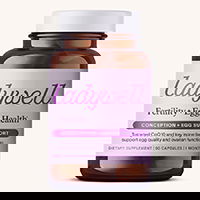
Navigating perimenopause can be challenging, but the right nutritional support can make a significant difference. Ladywells’ Daily Hormone Balance and Perimeno supplement are specially formulated to help women manage the physical and emotional symptoms of perimenopause with a targeted blend of vitamins, minerals, and plant-based compounds.
How Ladywell's Supplement Support Women in Perimenopause
Navigating perimenopause can be challenging, but the right nutritional support can make a significant difference. Ladywell's Daily Hormone Balance and Perimeno supplement are specially formulated to work together to help women manage the physical and emotional symptoms of perimenopause with a targeted blend of vitamins, minerals, and plant-based compounds.
Key Benefits of Ladywell's Daily Hormone Balance:
-
Supports Hormonal Stability: Contains essential nutrients like vitamin B6, vitamin D3, and magnesium, which are known to support healthy hormone production and reduce mood swings, irritability, and fatigue.
-
Promotes Energy and Metabolism: Ingredients like ashwagandha and vitamin B12 help reduce stress and support natural energy levels—two things that often decline during the menopause transition.
-
Reduces Hot Flashes and Night Sweats: Includes black cohosh which is a phytoestrogen-rich herbs traditionally used to help reduce vasomotor symptoms like hot flashes and night sweats.
-
Supports Bone and Heart Health: As estrogen levels drop, risks for osteoporosis and cardiovascular changes increase. Ladywells’ supplement includes vitamin K2, and omega-3s to help protect long-term health.
-
Improves Sleep Quality: With natural calming agents like L-theanine and magnesium, the formula helps promote restful sleep, especially helpful for those dealing with insomnia or night sweats.
Key Benefits of Ladywell's Perimeno:
Ladywell's Perimeno supplement blends science-backed herbs and adaptogens to help balance hormones and ease common perimenopausal symptoms like hot flashes, night sweats, fatigue, brain fog, poor immunity, mood swings and sleep quality.
- ERr 731 (Rheum rhaponticum), Soy Isoflavones, Wild Yam – Support natural estrogen balance
-
Black Cohosh, Red Clover, Hops – Help reduce hot flashes and night sweats
-
Schisandra, Rhodiola, Holy Basil – Adaptogens that promote stress relief and emotional stability
-
Reishi Mushroom – Supports immune function and overall vitality
Perimenopause FAQs
Why does menopause occur in stages?
The body’s systems typically decline gradually with age. Estrogen levels drop slowly, leading to the phased menopause transition rather than an abrupt stop.
How long does perimenopause last?
This phase usually spans 4 to 10 years, varying based on genetics, lifestyle, and overall health.
How will I know when perimenopause ends?
Once you’ve gone 12 straight months without a menstrual period, perimenopause is officially over and menopause begins. Any bleeding after this point should be checked by a doctor.
Do periods stop completely during perimenopause?
Not initially. They become more irregular and may vary in flow and frequency until they stop entirely.
Can you still ovulate during perimenopause?
Yes, though ovulation becomes less consistent. Pregnancy is still possible, so contraception is recommended until menopause is confirmed.
When should I see a doctor?
If you suspect you’re in perimenopause or experience intense symptoms—such as severe hot flashes, mood swings, or unusual bleeding—consult your healthcare provider to rule out other causes and explore treatment.
What are the stages of perimenopause?
-
Early perimenopause: Slight cycle irregularities, often beginning in your 30s or 40s.
-
Late perimenopause: Menstrual gaps of 60+ days, usually in your late 40s or early 50s.
Can you get pregnant in perimenopause?
Yes. Ovulation still occurs, though less frequently. Use contraception until a doctor confirms menopause.
Does perimenopause affect your sex life?
Lower estrogen can reduce libido, cause vaginal dryness, and make sex uncomfortable. Lubricants and medical treatments can help—talk to your doctor for personalized care.
Can perimenopause cause sleep issues?
Yes. Many women report insomnia, often due to night sweats and hormonal imbalance.
What do hot flashes feel like?
They feel like sudden surges of heat, often with sweating, flushing, and discomfort. Some experience mild warmth, while others feel overwhelmed or dizzy.
Why am I gaining weight during perimenopause?
Age-related metabolic decline, hormone changes, and lifestyle habits contribute. Weight gain isn’t a direct symptom but is common during this phase. Staying active and eating a balanced diet can help.
Final Thoughts
Perimenopause is a unique and deeply personal experience. While it marks the beginning of a new chapter, it doesn’t have to be a struggle. Understanding the signs, managing your symptoms, and seeking support from healthcare providers can help you feel empowered during this transition.
Disclaimer
The information provided in this blog is for educational purposes only and is not intended as a substitute for professional medical advice. Always consult a qualified healthcare provider before making any changes to your health regimen, especially if you are pregnant, nursing, or taking any medications.


