







Premenstrual Syndrome (PMS) is a common condition that affects many women, typically during the luteal phase of the menstrual cycle, which occurs after ovulation and before menstruation. Symptoms can range from mild to severe, impacting daily activities and overall well-being. Understanding PMS, its causes, and effective natural remedies can help women manage this condition better.
What is PMS?
PMS encompasses a wide range of physical, emotional, and behavioral symptoms that occur in the days or weeks leading up to a woman’s period. While the exact cause of PMS is not fully understood, it is believed to be related to hormonal fluctuations, particularly the levels of estrogen and progesterone.
Common Symptoms of PMS
PMS symptoms can vary greatly from one woman to another but generally include:
• Emotional Symptoms: Irritability, mood swings, anxiety, and depression are some of the emotional changes that many women experience. These symptoms are often the most challenging, affecting relationships and daily life.
• Physical Symptoms: Bloating, breast tenderness, headaches, fatigue, and acne are common physical symptoms. Some women may also experience changes in appetite, food cravings, or weight gain.
• Behavioral Symptoms: Sleep disturbances, difficulty concentrating, and changes in libido are some behavioral symptoms linked to PMS.
Causes of PMS
Several factors are believed to contribute to PMS:
1. Hormonal Changes: The fluctuations in estrogen and progesterone levels during the menstrual cycle are the primary contributors to PMS symptoms. These hormones can affect neurotransmitters in the brain, leading to mood changes and other symptoms.
2. Chemical Changes in the Brain: Serotonin, a neurotransmitter that plays a key role in mood regulation, can be influenced by hormonal changes. Low levels of serotonin are linked to feelings of sadness, irritability, and fatigue.
3. Dietary Factors: A diet high in salt, sugar, caffeine, and alcohol can exacerbate PMS symptoms. Nutrient deficiencies, particularly in magnesium, calcium, and vitamins B6 and D, may also contribute.
4. Stress: Chronic stress can worsen PMS symptoms by affecting hormone levels and overall health.
Natural Remedies for Managing PMS
Managing PMS can often be achieved through natural remedies and lifestyle changes:
1. Dietary Adjustments: Incorporating a balanced diet rich in whole grains, fruits, vegetables, and lean proteins can help stabilize blood sugar levels and reduce symptoms. Limiting salt, caffeine, and alcohol is also beneficial.
2. Exercise: Regular physical activity, especially aerobic exercise, can boost endorphins, reduce stress, and improve mood, helping to alleviate PMS symptoms.
3. Herbal Supplements: Some women find relief with herbal supplements like chasteberry, ashwagandha, and St. John’s wort.
4. Stress Management: Practices such as yoga, meditation, and deep breathing exercises can help manage stress and improve emotional well-being.
5. Adequate Sleep: Ensuring you get enough sleep each night can help regulate mood and reduce fatigue associated with PMS.
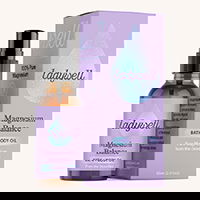
6. Hormonal Balance Supplements: Supplements designed to support hormonal balance can be an effective way to manage PMS symptoms. Look for products that contain natural ingredients known to support women’s health, such as those rich in magnesium, calcium, and vitamins B6 and D.
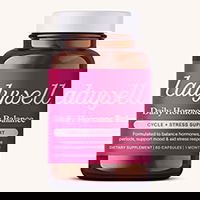
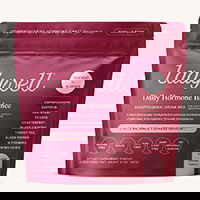
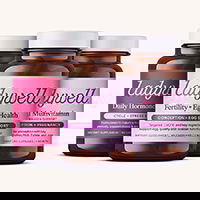
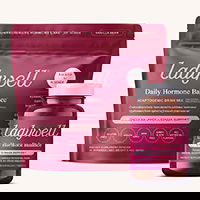
Ladywell's Daily Hormone Balance is a superb plant-based supplement for women experiencing PMS or PMDD. It's a comprehensive formulation that includes vitamins, amino acids, adaptogens and herbs.
When to Seek Medical Help
While natural remedies can be highly effective, it’s crucial to seek medical advice if PMS symptoms are severe and interfere with your daily life. Conditions such as Premenstrual Dysphoric Disorder (PMDD), a more severe form of PMS, may require medical treatment.
Conclusion
PMS is a condition that affects many women, but it doesn’t have to control your life. By understanding its causes and implementing natural remedies, you can significantly reduce symptoms and improve your quality of life. Remember, every woman’s body is different, so it may take some time to find the combination of lifestyle changes and supplements that work best for you.


